

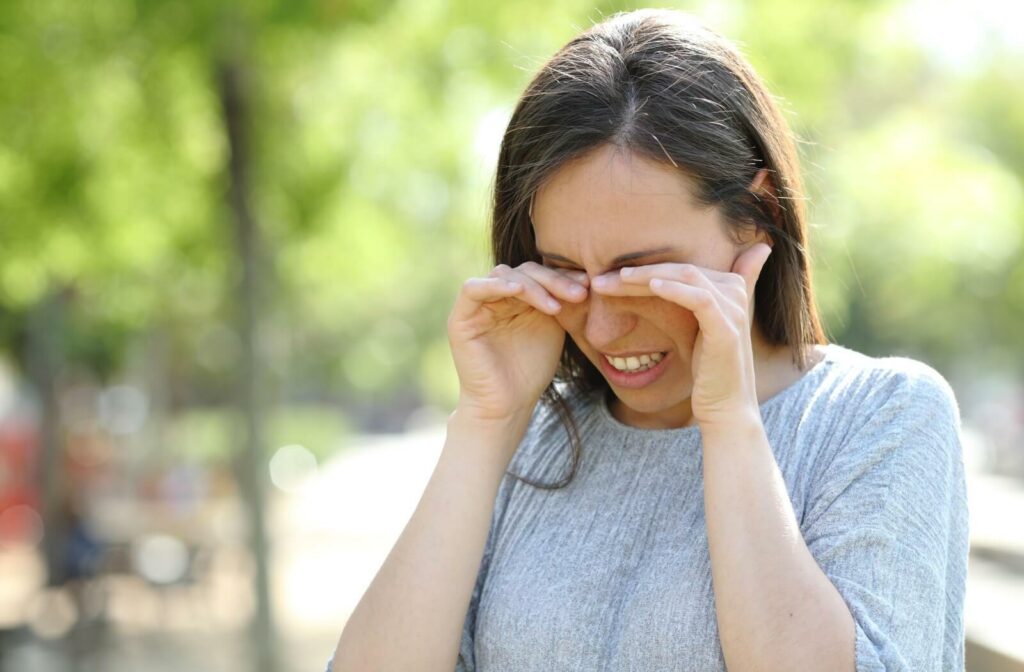
Spring pollen or household dust often leaves you rubbing your eyes. You might wake up with puffy eyelids after sleeping with the windows open, or a windy morning walk could leave your eyes watering uncontrollably.
Allergies can definitely affect your vision by changing the way light enters your eyes. When your body reacts to allergens like pollen or dust, the resulting inflammation can cause your eye tissue to swell, disrupting your focus. This makes anything from reading a book to looking at a screen much more difficult.
How Allergens Impact Your Eyes & Vision
Your body goes through a specific process when it encounters allergens, and this directly influences your eyesight. Your immune system works hard to fight off harmless particles like pollen or pet dander. The body releases chemicals called histamines to protect itself from these microscopic invaders. These histamines create inflammation in your delicate eye tissues, and the sudden swelling quickly changes how light enters your eyes.
Additionally, excess tears create an uneven surface for incoming light. Puffy eyelids press against your eye, and this pressure temporarily changes your focus. This means you may notice blurry shapes instead of sharp outlines when you look at distant objects. Reading can also take extra effort when your tear film remains uneven, which can sometimes lead to painful headaches.
In this way, your clear vision can become uncomfortable simply because your body wants to fend off some everyday dust. This natural defense mechanism changes how you navigate your daily routine.
Common Signs Of Eye Allergies
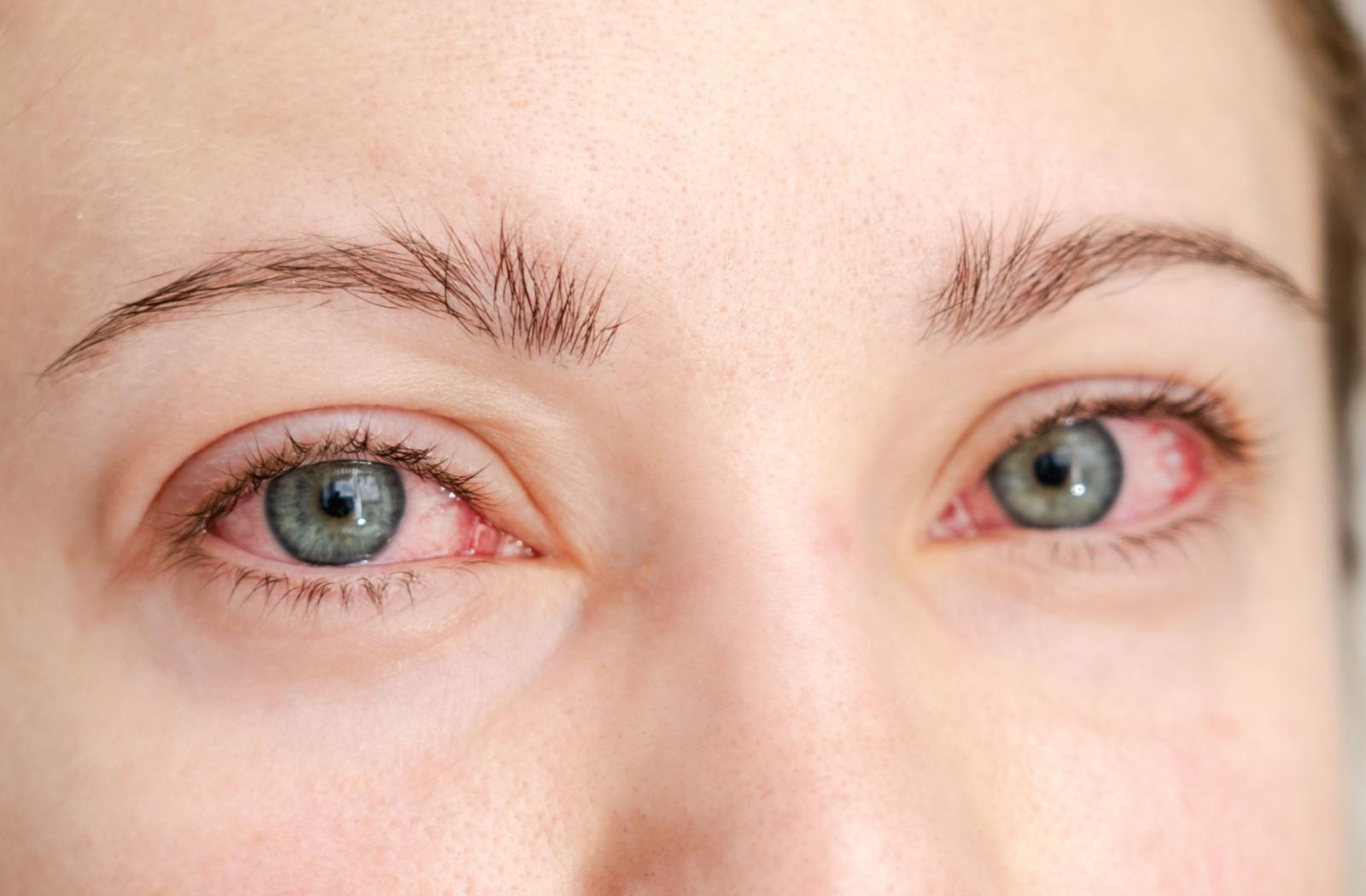
You can spot physical symptoms quickly. The discomfort often starts early in the day when pollen counts spike. You might notice a gritty sensation when you blink. Look out for these common signs of an allergic reaction:
- Persistent itchiness around your tear ducts.
- Red or swollen eyelids in the morning.
- Excessive water production throughout the day.
Signs You Need Professional Attention
Simple irritation often passes with time. However, some changes need a professional touch. Your optometrist can check for significant vision changes during a comprehensive exam. You should contact a professional if you notice these specific signs:
- Thick discharge rather than clear tears.
- Pain rather than simple irritation.
- Significant changes to your vision that linger.
The Connection Between Allergies and Dry Eyes
Allergy symptoms often team up with other annoying eye conditions, which can complicate your comfort. For example, allergies disrupt the tiny oil glands in your eyelids. Tears evaporate faster without enough oil, leaving your eyes feeling gritty despite increased tear production. You may feel like a grain of sand is stuck under your eyelid as the extra tears struggle to lubricate your eyes properly without a healthy oil balance.
What’s more, dry surfaces catch more airborne dust and pollen. This lack of moisture worsens the allergic reaction over time, making you naturally want to rub your eyes for quick relief.
However, resist the urge to rub your eyes. The friction only causes more histamines to be released into your eye tissues. This creates a continuous cycle of itchiness and dryness. So, even if this scratchy sensation distracts you from your work, don’t rub your eyes!
How Long Blurry Vision and Symptoms Last
The length of your discomfort depends heavily on your environment and the current season. Blurriness often spikes during high pollen counts in the afternoon, though the symptoms should generally fade when you move indoors. Apply a cool compress over your closed eyes to help resolve temporary changes, and you should be able to get back to your daily tasks within an hour. It’s these simple actions that make a big difference in how your eyes feel.
However, some issues persist for an entire season. Spring and fall bring months of mild irritation for many people. Daily exposure keeps inflammation active for weeks at a time. Daily exposure keeps inflammation active for weeks at a time. Practice consistent preventative care to shorten the overall reaction time.
Take a proactive approach to stay comfortable as the seasons change and enjoy safe outdoor activities with fewer interruptions.
Ways To Protect Your Sight
You have several great options to minimize discomfort and keep your vision perfectly clear. You can even manage mild symptoms right from home, with some small changes:
- Use artificial tears to flush out dust particles after a walk
- Apply a cool, damp cloth over your closed eyelids to soothe the swelling
- Keep your windows closed during high pollen seasons
- Wash your hands frequently to keep extra allergens away from your face.
Professional Care Options
When symptoms don’t fade on their own, it may be time to visit an optometrist. A professional can evaluate the quality of your tears and assess your overall eye health. This could include targeted drops for rapid relief or a personalized plan to keep your eyes comfortable year-round. Get the right care to help you see clearly without constant irritation.
Lasting Comfort Is Within Reach
Preventative care helps you avoid days of blurry vision, so you can enjoy sharp focus even during peak allergy seasons. A comprehensive approach addresses the root of your discomfort rather than just the symptoms.
Total Vision Long Beach offers comprehensive eye exams and a fun selection of designer eyewear to keep your eyes healthy. Schedule an exam for your entire family today and protect your vision all season long!