

Our team at Total Vision Long Beach knows that having to squint at road signs or hold menus far from your face can make daily tasks frustrating. If you’ve been noticing that text on your phone screen is blurry, or you’re struggling to recognize a friend across the street, you may be having a vision problem. These subtle changes can happen when light fails to hit the right spot inside your eye, but there are solutions.
A custom set of lenses can improve your focus and give you back the ability to see clearly. Corrective glasses are frames with specialized lenses that bend incoming light so it lands directly on the back of your eye.
How Corrective Glasses Help Your Vision
You can think of your eye like a camera, gathering light to create a clear picture. But if the physical shape of your eye changes slightly over time, that light can miss the precise target at the back of your eye, which is an area called the retina. This “missed target” makes objects look fuzzy, hazy, or stretched out.
Corrective Lenses
Specially curved pieces of plastic or glass are designed to adjust the path of the light. The lenses in your frames catch and bend the incoming light so it focuses where it should on your retina. This physical adjustment helps clear blurry or distorted eyesight, just by wearing your glasses.
Custom-Made for You
Everyone has a unique eye shape that requires a different level of correction. Your eye doctor in Long Beach can customize your prescription to match your exact visual needs. Our team carefully examines your eyes to find the right combination of lens strength and curve to help you maintain clear vision.
Common Vision Conditions Addressed with Glasses
Nearsightedness and Farsightedness
Many people struggle to see objects clearly at specific distances. Nearsightedness is the term for when distant objects like highway signs or movie screens look fuzzy. Farsightedness makes close tasks like threading a needle or reading a book hard to view clearly.
Signs and Symptoms
You might experience specific physical signs when dealing with these vision changes. It’s a good idea to book an appointment with your eye doctor if you notice that you are:
- Squinting to read street signs while driving
- Holding your phone at arm’s length to read messages
- Feeling eye strain after working on your computer
- Rubbing your eyes frequently throughout the day
Astigmatism and Age-Related Changes
Some vision changes can be due to the physical curvature of your eye. Astigmatism, for example, happens when the front of your eye has an irregular shape. This shape scatters incoming light in multiple directions rather than at a single point.
The scattered light from astigmatism can lead to overall blurriness at any distance. You might notice streetlights stretching when you drive at night.
Your near vision also naturally changes as you get older. Presbyopia affects how well you focus on close objects as the lens inside your eye gradually loses flexibility. Our team can diagnose these specific changes during a regular eye exam.
Types of Lenses for Your Eyewear
Single-Vision Lenses
You have several options when picking the right lenses for your frames. Single vision lenses feature 1 consistent focusing point throughout the entire lens. They help you if you only need correction for 1 specific distance. For example, if you only have trouble seeing far away, single-vision lenses might be for you.
Bifocals
Some people need help seeing both close up and far away. Bifocals are designed for this purpose. The surface of bifocals is divided into 2 distinct viewing areas with a visible line: A section for seeing up close, and the other for seeing far away.
Progressives
Many modern options can provide a smoother viewing experience. Progressives offer clear sight transitions without any visible lines on the surface. These lenses gently blend different prescription strengths to help you see objects smoothly at every distance.
Glasses or Contact Lenses
You can choose between 2 main ways to wear your prescription comfortably. Glasses rest externally on your nose and ears. They sit away from your face and do not touch your eyes directly.
Some people prefer a different option for sports or for day-to-day wear. Contact lenses sit directly on the surface of your eyes to provide clarity, moving naturally with your eye to give you a wide field of view.
Both options treat refractive errors to achieve clear vision, and our team can help you decide which style fits your daily routine. Many people choose to keep both types on hand for different activities.
Steps to Pick Your Next Pair of Glasses
Regular eye exams can help you maintain healthy eyesight through the years. The first step is to schedule a comprehensive eye exam with an eye doctor. This exam gives our team precise measurements for your new prescription.
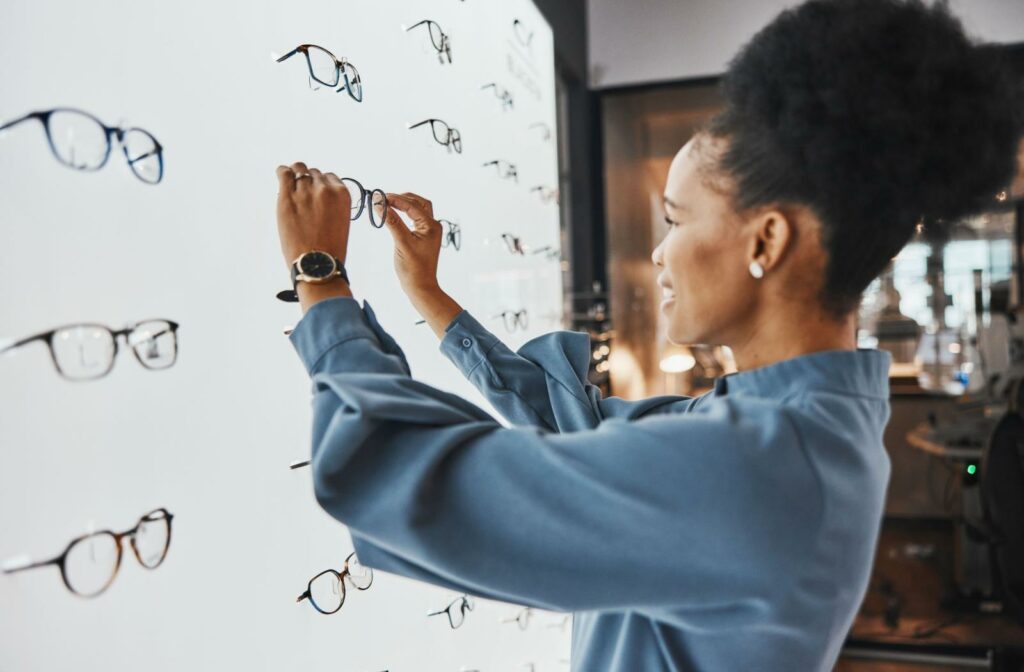
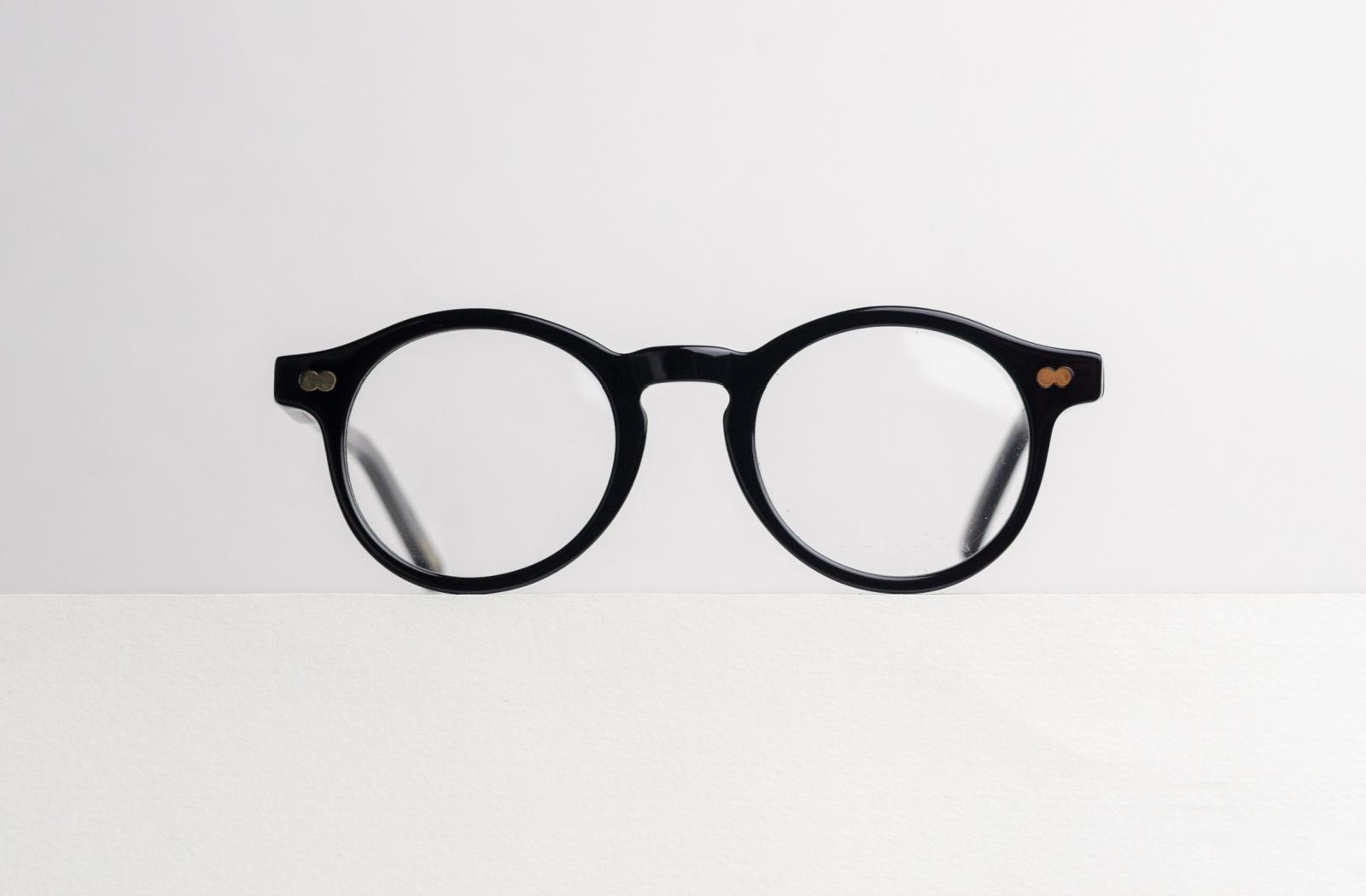
The fun part comes when you explore the available frame choices. You can select frames that match your personal style and daily activities. A lightweight titanium frame works well for active days, while bold plastic frames make a fun style statement.
Special coatings can make your new frames even more comfortable. You can add helpful features such as anti-reflective layers or blue-light filters, which can help some people with comfort when using computers or driving.
Book Your Eye Exam
Clear eyesight helps you enjoy every part of your day comfortably. If you’ve been noticing that your vision is less clear than it used to be, our experienced team would love to help. Schedule your comprehensive eye exam and discover your new favorite frames.