


Key Takeaways
- Single vision lenses correct sight at one specific range.
- Progressive lenses offer clear sight across 3 distinct vision zones.
- Standard lenses feel natural immediately for most people.
- Multifocal lenses require a brief adjustment period for your eyes.
- An eye doctor can help evaluate your daily visual needs.
Find the Right Lenses for You
The right choice between single vision and progressive lenses depends entirely on your daily routine and vision situation. Our team at Total Vision Long Beach can help you evaluate your needs to find lenses that match your lifestyle.
The Basics of Single Vision Lenses
Traditional lenses support your sight at one specific range, often near or distance vision. This straightforward approach works well with people who only struggle to see clearly in certain circumstances.
Single vision lenses are relatively easy to adapt to, and they tend to be cheaper than complex lens options. However, if you need glasses for multiple kinds of situations (for instance, reading and driving), then it can be tiresome to switch between frames as you move from one activity to another.
The Details of Progressive Lenses
Multifocal options provide clear transitions between up to 3 distinct vision zones. The top section corrects your distance vision, while the bottom area handles close reading. The middle portion accommodates computer screens and dashboard gauges. If you choose progressive lenses, these zones transition naturally, meaning that you don’t have to deal with abrupt jumps when you switch your focus.
Progressive lenses let you wear one pair for every situation. This reduces the frustration of having to swap your frames constantly. However, these frames often take longer to adapt to, and you might need a week or 2 to get used to switching from zone to zone.
You might also experience peripheral distortion (a slight blur on the edges of your vision) as you adjust to your new lenses.
Key Differences Between These Options
Daily Comfort and Convenience
If you choose single vision lenses, you’ll need to swap between pairs as you go about your day. Multifocal lenses, on the other hand, are suitable for a range of activities. Your lifestyle will help determine which option works best for you.
For instance, a professional who spends 8 hours at a computer might prefer dedicated workspace glasses, while someone who often drives, shops, and reads menus all in one afternoon is likely to favor a progressive option.
Time Needed for Adjustment
Most people adapt quickly to single vision lenses. On the other hand, multifocal lenses require deliberate head movements to change your focus from zone to zone, and this takes some time to get used to. However, most people learn to use multifocals effectively.
Indicators for a Lens Change
Symptoms to Watch For
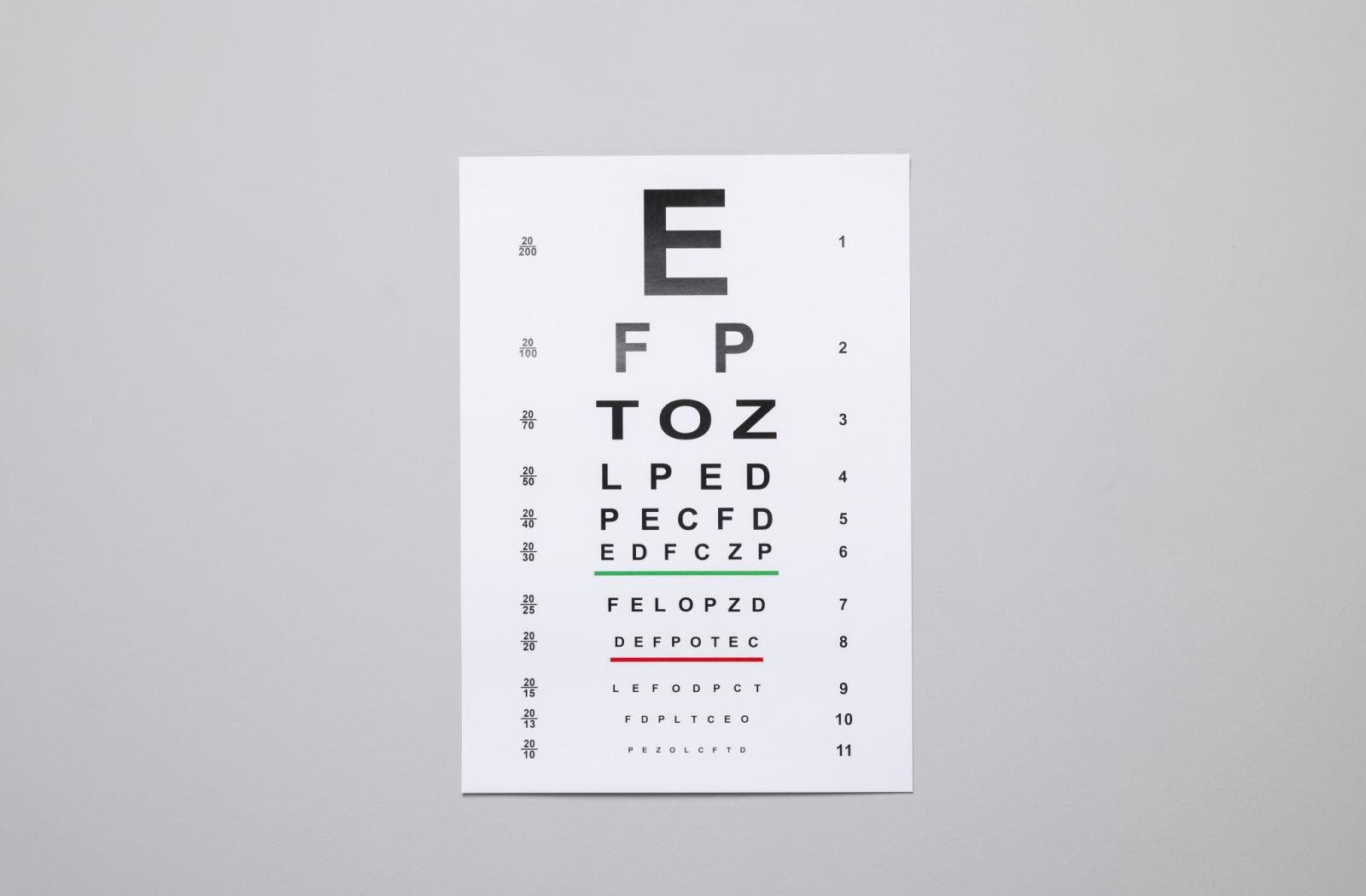
You should schedule an eye exam if you notice any of these common issues:
- Frequent squinting to read a text message on a phone screen.
- Eye fatigue after extended screen time.
- Moving books further away to read the print clearly.
- Experiencing headaches at the end of a long workday.
Next Steps for Your Eye Care
Routine Exams & Eye Health
As your eye doctor in Long Beach, we provide thorough preventative care through high tech eye exams. These routine checkups help catch potential health issues in their early stages and also allow us to update your prescription so that your vision stays clear and sharp.
Select Your Next Frame Style
If you opt for new lenses, we offer designer eyewear that fits your lifestyle. Multifocal lenses require frames with sufficient vertical depth to accommodate all 3 vision zones, but our team can help you find a comfortable match.
Schedule your eye exam with our team at Total Vision Long Beach today!